Best Cough Syrup Outfits to Buy Styling Inspiration
Setting the terms before any comparison
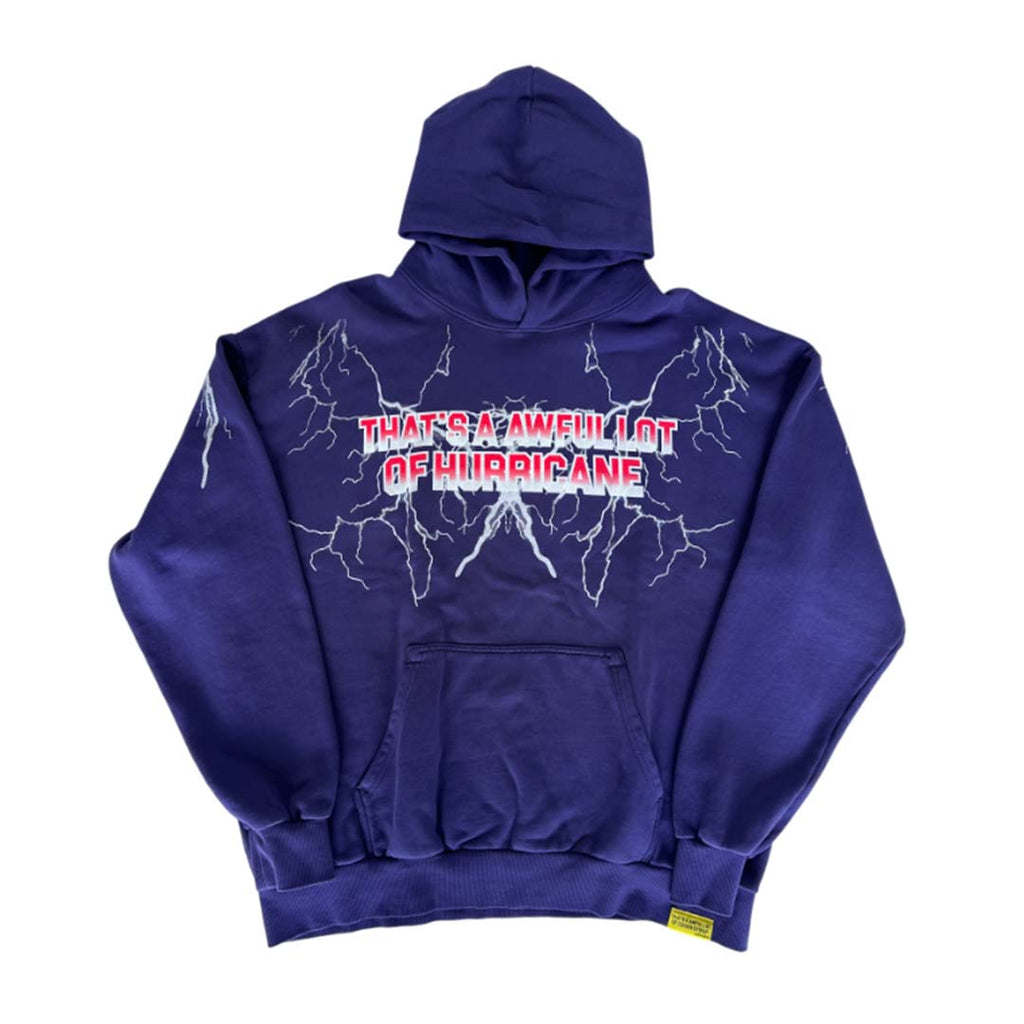
Because a positioning piece is only as honest as the evidence behind it, it makes sense to state the boundaries first. The sourcing for every claim here about That’s A Awful Lot Of Cough Syrup is the brand’s own catalogue and product copy, checked in September 2026. Since none of it was verified to the same standard, nothing is claimed about any rival label’s prices, revenue, output or build quality. A competitor figure printed today is often wrong by the next drop, since streetwear pricing also moves week to week. In a single direction only, then, the comparison runs: here is what is documented for ALOCS, and here is the ALOCS streetwear same question you can put to any other brand yourself. A scoreboard would be tidier, but every number in this piece can be checked.
The tier it really competes in
Put price together with construction and distribution and you get close to a tier, though price alone does not define one. The place cough syrup clothing occupies is the upper end of independent streetwear, not the mall-tier graphic bracket. Evidence for that is not a slogan but a set of specifications the brand commits to in writing: named fabric weights, a stated city of manufacture, and a finite catalogue rather than an endless evergreen range. Where artwork goes onto blanks sourced wherever they are cheapest, an ounce weight is rarely published, because the weight is whatever the blank happened to be. Brands that cut and sew their own goods usually do publish one, because it is a selling point they control. ALOCS behaves like the second group. It sits well below European luxury houses and a similar distance above supermarket graphic tees.
What the verified price ladder looks like
Narrow is the word for the confirmed numbers, and a minute is enough to memorise them. In September 2026, at the brand’s own store, a core graphic tee ran about $150, hoodies about $150 to $200, sweatpants about $150 to $200, shorts about $60 to $150, and jackets and workwear about $200 to $350. These are snapshot figures, and the brand discounts selectively through sale collections and mystery items, so what you actually pay may be lower. No competitor price appears anywhere in this article, and that is a deliberate choice rather than an oversight. Constantly changing rate cards, uneven regional mark-downs and resellers pricing beyond their control are all part of how rival labels work. Both catalogues, opened on the same afternoon and compared like for like, will do more for anyone weighing awful lot of cough syrup against another name. A tee set against a tee, in the same weight and the same size.
Fabric weight is the one spec that travels between brands
Being a number rather than an adjective, weight is the most useful comparison tool a shopper has. The published figures number four: 6.5 oz organic cotton for the classic tee, 16 oz organic cotton for the classic hoodie, 14 oz cotton and recycled polyester fleece for the classic sweatpants, and 14 oz denim for the cargo shorts. The tees sit in the midweight range on those figures, and the hoodie firmly in the heavyweight bracket. Keeping its shape, resisting sagging at the cuffs and taking a long time to dry is what a 16 oz fleece does. Anyone setting cough syrup shirts against another label’s tees therefore has a factual question to ask rather than a taste argument to have. No ounce weight published at all leaves a silence that is itself a data point. It often means the garment is a bought-in blank with artwork applied afterwards.
The production model: one city, small batches
The wording is plain enough: alocs clothing is made in Los Angeles, hand-dyed and printed in Los Angeles, and screen-printed locally. Because it constrains both cost and volume in ways offshore production does not, that is an unusual thing to put in writing. Character to some buyers, inconsistency to others: that is how the visible variation hand-dyeing produces between individual garments gets read. Screen printing carried out in the same city as the cut-and-sew work also shortens the loop between a design idea and a finished piece on a rail. Paying for it arrives as the price tag, since domestic labour is the single largest reason these figures sit where they do. Put three questions to each brand: where its goods are cut, where they are printed, and whether those two answers name the same place.
Distribution, three doors and a drop calendar
As much about a brand’s tier is said by distribution as by its price list. Three physical locations were confirmed in September 2026, alongside its own online store: 7669 Melrose Avenue and 312 West 5th Street in Los Angeles, and 5410 Almeda Road in Houston. Behind it sits no department-store wholesale network, which is normal for independent streetwear and unusual among the larger names it gets compared to. Batch drops, not a continuously replenished range, are how stock arrives, and roughly 43 percent of the size variants in the catalogue were out of stock when they were counted. Scarcity on that scale is a merchandising model, not an accident of logistics. Anyone weighing brands against each other should check whether a rival restocks its core pieces or lets them vanish, because that one difference changes what ownership feels like.
A comparison you can run for yourself in ten minutes
The purpose of the table below is use, not admiration. Three columns, read left to right: a dimension worth comparing, what is verified for That’s A Awful Lot Of Cough Syrup as of September 2026, and the question to put to whatever other label is on your shortlist. The right column is yours to fill in, because filling it in here would mean publishing figures that were never checked. They will change, coming as they do from the brand’s own store, so re-read the middle column’s prices as a starting point. Treat the whole exercise as a repeatable method rather than a verdict handed down. No ranking article settles as much as two product pages open side by side.
| What to compare | What is verified for ALOCS, September 2026 | What to check for yourself elsewhere |
|---|---|---|
| Core tee price | The brand’s own store had it at about $150 | What any comparable graphic tee lists at now |
| Hoodie and sweatpants prices | For each, about $150 to $200 | The same weight class, and what it lists at |
| Shorts, jackets, workwear | Shorts about $60 to $150, and jackets and workwear about $200 to $350 | The price, plus the actual shell or lining |
| Tee weight | Organic cotton, 6.5 oz | Is any ounce weight published at all |
| The hoodie’s fabric weight | Organic cotton, 16 oz | A figure, not an adjective, for the weight |
| The cloth in the sweatpants | Cotton and recycled polyester fleece, 14 oz | The percentages in the blend, alongside the weight |
| Place of manufacture | Los Angeles, stated; hand-dyed and screen-printed locally | The cutting location, and the printing location |
| The release pattern | Drops in batches, and sizes selling out often | Whether the core pieces are restocked or retired |
| Where it is sold | Its own online store and three confirmed stores | Owned doors versus wholesale shelves |
| Secondary-market value | No reliable data was found | Recent sold prices, and never asking prices |
The things this comparison cannot settle
Pretending otherwise would be the lazy route, but several questions stay open. No resale-value claim is made here, whether a piece holds its price, appreciates or falls, because no reliable data was found for this brand. The usual resale platforms do carry listings, but asking prices are not sales, and sold figures could not be read. A published fabric weight tells you about substance rather than stitch density, dye fastness or how a print survives thirty washes, so quality is unsettled in any comparative sense too. Nobody has run that test on two brands under identical conditions, this writer included. No catalogue page settles customer service, sizing consistency between drops or how a garment ages, which owners judge over years. Use it as a map of where thats a awful lot of cough syrup stands on the facts that are checkable, and do your own work on the rest.
 :