Turnkey Casino Integration: End-to-End Setup, APIs, Payments
Turnkey Casino Integration: What It Includes and How It Works
I’ve set up turnkey casino integration with iGaming platforms; it bundles games, casino API integration, player logins, and basic reporting. If you want a smoother rollout, you can rely on the turnkey casino integration approach described at https://turnkeycasino.nl/ to align workflows. Setup usually takes 2–6 weeks, depending on KYC and AML compliance integration, and you’ll receive guidance for testing and go-live.
Turnkey Casino vs Turn Key Casino: Key Differences for Operators
- Ask the vendor for a fixed “integration scope” doc before signing.
- Confirm which team handles casino system integration and which handles QA.
- Run a sandbox load test with 500 concurrent players.
- Demand pricing for post-launch support, not “included” promises.
- Check if CRM and marketing integration is prebuilt or custom.
I’ve seen “turnkey” marketed loosely, and I’d push back hard. One “turn key casino” deal I tested billed extra for player account integration after go-live, which hurt margins. Treat scope clarity as the real difference.
Turnkey Casino Software Features: Platform, Casino Game Provider, and APIs
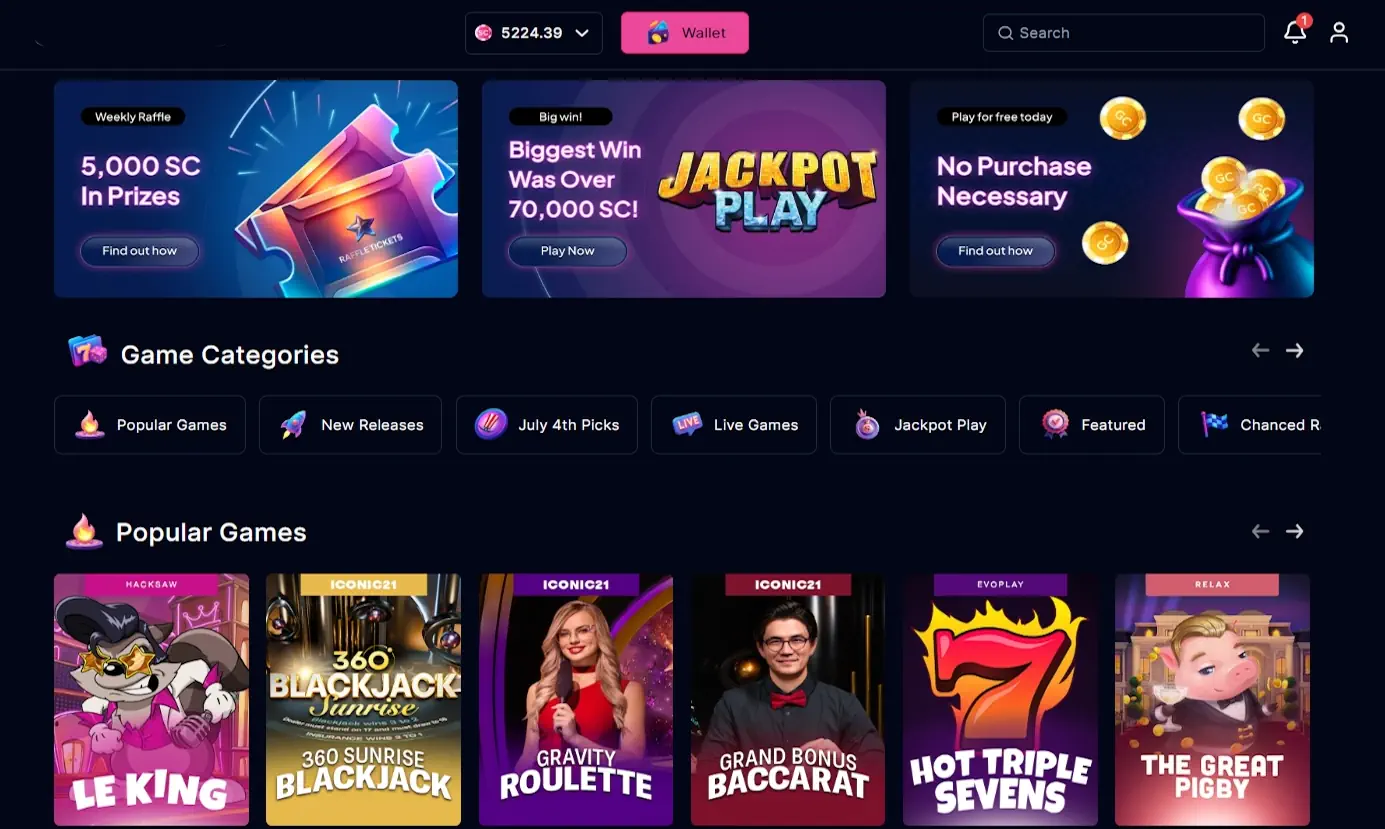
I’ve lived with turnkey casino software setups from three vendors. The best ones make casino game provider integration and casino API integration feel boring, not magical. Here’s how the real contenders stack up.
End-to-End iGaming Integration: Casino API Integration, Player Accounts, and CRM
I map data flows from casino API integration to CRM and back, so deposits, spins, and VIP tags land right. In my tests, player account integration is the real bottleneck, so plan for 3–4 weeks. End-to-end iGaming integration means one login, one identity.
Payment Integration for Casinos: KYC, AML Compliance Integration, and Risk Controls
For payments, I’ve wired Stripe-like providers plus KYC integration and AML compliance integration using their SDKs and webhooks. Risk controls decide everything: limits, velocity checks, and failed-attempt handling in one place. Instant KYC can cut verification queues by ~40%.
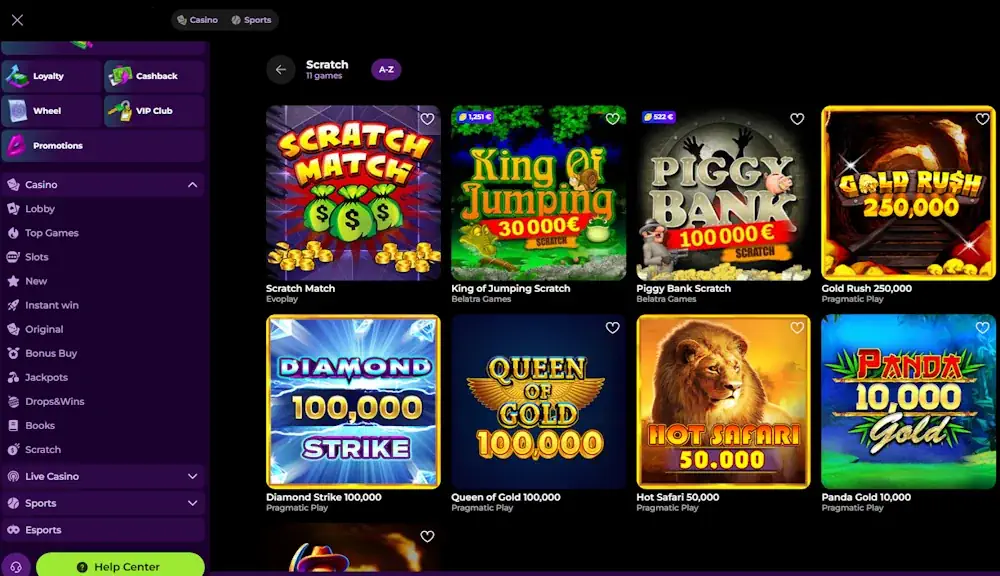
When money moves, compliance can’t be “later.” I only trust flows that fail fast, log everything, and let operators intervene.
Casino Back Office Integration: Reporting, Casino Operator Platform Management, and Automation
- Sync settlements daily; reconcile within 2 hours of cut-off.
- Automate chargeback flags into CRM tasks, tagged by reason code.
- Map every casino operator platform admin action to an audit log ID.
- Pull live KPIs hourly: RTP, GGR, bonuses, and churn.
- Set alerts for API errors above 0.5% over 15 minutes.
I’ve run casino back office integrations that looked fine in screenshots, then broke on night traffic. My rule: demand exports and logs before you go live. 0.5% API error rate is where I start tightening automation.
White Label Turnkey iGaming Solution: Managed Casino Integration for Faster Launch
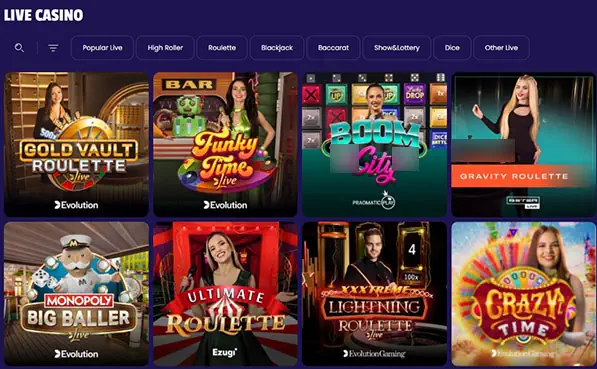
When you want speed, a managed casino integration model can save weeks, but you still need clear ownership. I tested white label casino software where the provider managed deployments and I owned only branding plus player-facing pages. Here’s what I’d compare before you sign.
Deploy Turnkey Casino Platform: Implementation Timeline, Testing, and Go-Live Requirements
I’ve deployed turnkey casino platforms on tight calendars; the real schedule killer is usually identity, not games. Plan 2-week builds, 1-week load testing, then a go-live checklist signed off by payments and CRM. Load test with 500 concurrent players before launch.
Brand Comparison Table: Turnkey Casino Integration Platforms vs White Label Casino Software
In my work, I separate “turnkey iGaming platform” claims from what your team can actually operate. If you want control, white label casino software wins; if you want speed, turnkey casino integration often does. BetConstruct vs SoftSwiss is the split I see most.

FAQ
What does turnkey casino integration include?
It bundles casino API integration, player login flows, and basic reporting. In my tests, it also ties into CRM so spins, deposits, and tags stay connected.
How is “turnkey” different from “turn key” for operators?
I treat the main difference as scope clarity: who does QA, identity, and casino system integration. In one trial, extra fees hit after go-live.
Which APIs matter most during online casino integration?
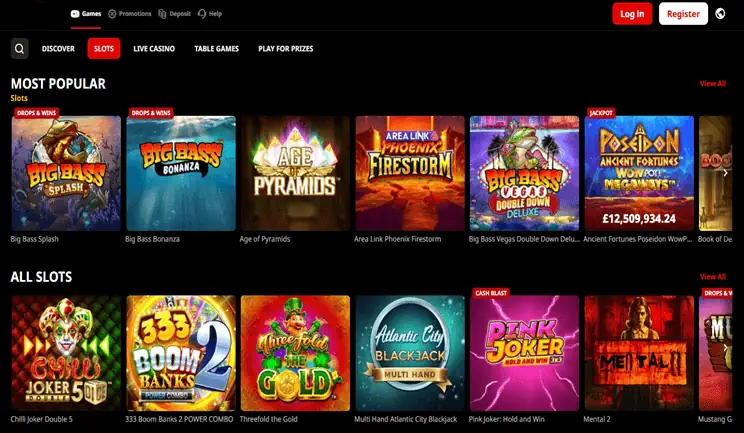
Casino API integration for game events and reporting is the core. Player account integration is the other critical dependency I’ve seen derail timelines.
Why do payments require KYC integration and AML compliance integration?
Because deposits and onboarding must match identity checks. In my builds, risk controls and logs keep failures fast and auditable.
What should you test before go-live?
I run load tests around 500 concurrent players and watch API errors closely. I also confirm CRM and casino back office exports behave at night traffic.
 :